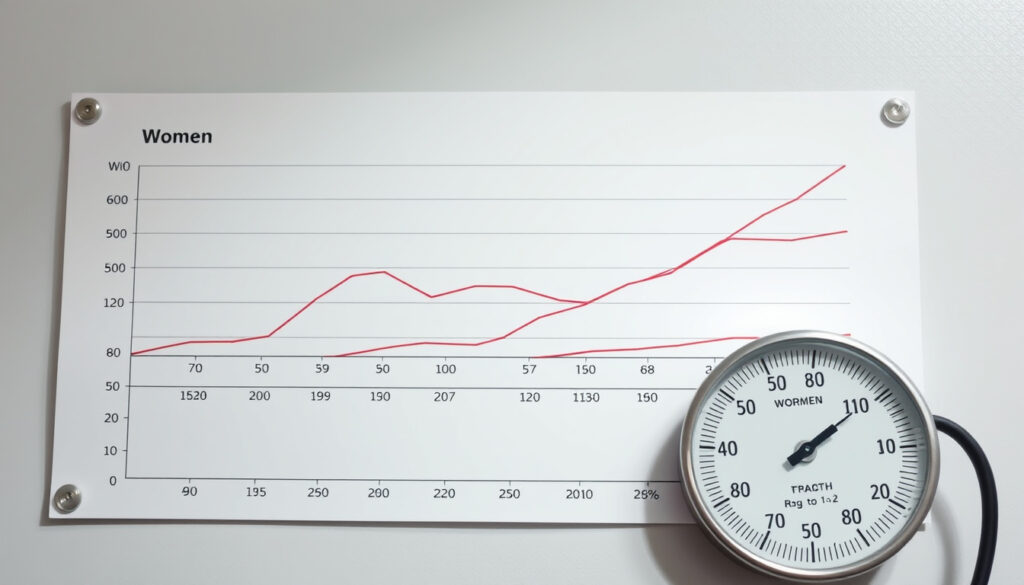
What Is a Normal Blood Pressure for a Woman – Charts and Guidelines by Age
Blood pressure serves as one of the most critical indicators of cardiovascular health, yet many women remain uncertain about what constitutes a normal reading. Understanding these numbers matters because elevated blood pressure often develops without noticeable symptoms, making knowledge your first line of defense. This guide breaks down the established medical benchmarks, explains how readings change across different life stages, and clarifies what the latest guidelines mean for everyday health decisions.
Medical organizations including the American Heart Association (AHA), American College of Cardiology (ACC), Mayo Clinic, CDC, and Cleveland Clinic have reached consensus on blood pressure thresholds for adults. These benchmarks apply uniformly to both women and men beginning at age 18, with no separate guidelines based on gender alone. Understanding these standards empowers women to monitor their cardiovascular health effectively at any age.
What Is Normal Blood Pressure for a Woman?
A normal blood pressure reading for any adult, including women, falls below 120/80 mm Hg. The top number represents systolic pressure—the force of blood against artery walls when the heart beats—while the bottom number indicates diastolic pressure, the force between beats when the heart rests. Both numbers matter when determining cardiovascular risk, though clinicians evaluate them together rather than in isolation.
The American Heart Association defines four main categories that help classify readings, each carrying different recommendations for monitoring and treatment. Maintaining awareness of which category applies to you supports proactive health management, particularly since blood pressure naturally fluctuates throughout the day based on activity levels, stress, and other factors. Regular monitoring provides the most accurate picture of your typical cardiovascular function.
For most adults, including women, a reading below 120/80 mm Hg indicates normal blood pressure. Readings above this threshold may warrant lifestyle adjustments or medical consultation depending on how elevated they become.
Blood Pressure Categories Explained
| Category | Systolic (mm Hg) | Diastolic (mm Hg) |
|---|---|---|
| Normal | Below 120 | Below 80 |
| Elevated | 120–129 | Below 80 |
| Stage 1 Hypertension | 130–139 | 80–89 |
| Stage 2 Hypertension | 140 or higher | 90 or higher |
| Hypertensive Crisis | 180 or higher | 120 or higher |
When systolic and diastolic numbers fall into different categories, healthcare providers use the higher classification. For example, a reading of 132/78 mm Hg places someone in Stage 1 Hypertension because the systolic number (132) falls within that range, even though the diastolic reading (78) remains normal. This approach ensures appropriate clinical response based on the most concerning measurement.
Key Facts About Blood Pressure in Women
- The same thresholds used for men apply to women; no gender-specific variations exist in official guidelines
- Blood pressure typically rises with age, making regular monitoring increasingly important over time
- Home monitoring helps capture realistic patterns rather than isolated clinical readings
- Consistent readings above 130/80 mm Hg may warrant discussion with a healthcare provider about treatment options
- Lifestyle factors including diet, physical activity, and stress management influence blood pressure significantly
- Pregnancy and menopause introduce unique considerations that warrant additional medical attention
- According to the CDC, nearly half of American adults have hypertension, highlighting the importance of awareness and monitoring
Normal Blood Pressure for Women by Age
Official guidelines from major medical organizations do not establish separate blood pressure targets based on age for adults. The AHA and ACC maintain that the ideal reading remains below 120/80 mm Hg regardless of whether someone is 25 or 75. However, clinical experience acknowledges that blood pressure tends to increase gradually as people grow older, and some experts suggest slightly more relaxed targets may be appropriate for very elderly patients based on individual health circumstances.
Research consistently shows that blood pressure patterns among women shift across major life stages. Hormonal changes during menstruation, pregnancy, and menopause can all influence cardiovascular function, though these variations typically remain within the established adult categories unless medical complications develop. Understanding these patterns helps women interpret their readings with appropriate context rather than unnecessary concern.
Expected Blood Pressure Trends Across Life Stages
For women in their 20s and 30s, blood pressure usually stays at or below the ideal 120/80 mm Hg mark, particularly among those who maintain active lifestyles and healthy eating habits. The cardiovascular system functions at peak efficiency during these decades, though factors like stress, oral contraceptive use, and weight changes can occasionally push readings higher temporarily. Regular checkups during this period establish a useful baseline for future comparison.
Women in their 40s and 50s often notice gradual increases in systolic readings even when diastolic numbers remain stable. This pattern reflects natural stiffening of arteries over time and reduced elasticity in cardiovascular tissues. According to the Cleveland Clinic, lifestyle interventions become increasingly valuable during these decades to offset age-related rises and maintain readings within normal ranges.
Women over 60 may experience continued systolic elevation, with readings commonly ranging between 110–145/70–90 mm Hg in otherwise healthy individuals. While the target remains below 120/80 mm Hg, some clinicians adopt a nuanced approach for elderly patients, balancing cardiovascular protection against the risk of adverse effects from aggressive treatment. Individual health history and overall wellness guide these personalized decisions.
Systolic blood pressure (the top number) tends to rise gradually with age, while diastolic readings often stabilize or decrease after age 60. This pattern makes pulse pressure—a calculation derived by subtracting diastolic from systolic—a useful marker for arterial health in older adults.
Blood Pressure Chart for Women
The following chart consolidates established blood pressure categories as defined by the AHA and ACC, providing a comprehensive reference for women monitoring their cardiovascular health. These ranges apply to adults aged 18 and older, with no modifications based on gender, ethnicity, or body composition.
| Classification | Systolic mm Hg | Diastolic mm Hg | Clinical Guidance |
|---|---|---|---|
| Normal | Below 120 | Below 80 | Maintain healthy lifestyle habits |
| Elevated | 120–129 | Below 80 | Adopt heart-healthy lifestyle modifications |
| Stage 1 Hypertension | 130–139 | 80–89 | Lifestyle changes plus possible medication based on risk assessment |
| Stage 2 Hypertension | 140 or higher | 90 or higher | Medication typically recommended alongside lifestyle changes |
| Hypertensive Crisis | 180 or higher | 120 or higher | Seek immediate emergency medical attention |
These categories emerged from extensive clinical research examining the relationship between blood pressure levels and cardiovascular outcomes. The Mayo Clinic emphasizes that early intervention at the elevated stage can prevent progression to full hypertension, making awareness and proactive management valuable tools for long-term heart health.
Low Blood Pressure Reference
While much attention focuses on high blood pressure, hypotensive readings below 90/60 mm Hg can also warrant attention, particularly when accompanied by symptoms like dizziness, fainting, or fatigue. According to the Cleveland Clinic, low blood pressure becomes clinically significant when it produces noticeable symptoms or causes inadequate blood flow to vital organs.
| Age Group | Low Systolic mm Hg | Low Diastolic mm Hg |
|---|---|---|
| Adults 19–40 | Below 95 | Below 60 |
| Adults 41–60 | Below 110 | Below 70 |
| Adults 61 and older | Below 95–110 | Below 70 |
Low blood pressure without symptoms generally poses less concern than elevated readings, though persistent hypotensive symptoms should prompt medical evaluation to rule out underlying conditions such as hormonal disorders, heart valve problems, or severe dehydration.
Does Normal Blood Pressure Differ for Men and Women?
Major medical organizations including the AHA, ACC, and CDC apply identical blood pressure thresholds to all adults regardless of sex. The classification system used for diagnosis and treatment remains consistent between men and women, reflecting extensive evidence that cardiovascular risk correlates equally with blood pressure elevation in both genders. This unified approach simplifies guidelines while ensuring appropriate clinical responses for all patients.
Despite matching numerical thresholds, research indicates that women may experience certain risk factors differently throughout their lives. Hormonal fluctuations during menstrual cycles, pregnancy, and menopause can influence blood pressure variability, though these effects typically remain within normal ranges unless underlying conditions exist. Understanding these potential influences helps women and their healthcare providers interpret readings with appropriate individual context.
The same blood pressure categories apply uniformly to women and men. However, hormonal life stages unique to women—including pregnancy and menopause—may warrant additional monitoring and personalized discussions with healthcare providers about cardiovascular risk management.
Is 120/80 Normal Blood Pressure for Women?
Yes, a reading of 120/80 mm Hg falls within the normal range for women. This value sits at the upper boundary of the ideal category rather than representing cause for concern. Many medical sources, including the American Heart Association, consider readings consistently below this threshold as optimal for reducing cardiovascular risk, though single readings within normal ranges require interpretation alongside broader health profiles.
The American Heart Association describes less than 120/80 mm Hg as representing healthy blood pressure, with readings above this threshold warranting progressively more attention depending on how significantly they exceed normal limits. This threshold provides a clear benchmark for women monitoring their cardiovascular health at home or during clinical visits.
What Is High or Low Blood Pressure for Women?
High blood pressure, clinically termed hypertension, occurs when readings consistently exceed 130/89 mm Hg, placing someone in Stage 1 or Stage 2 categories. This condition develops gradually over years, often without symptoms, which is why regular monitoring proves essential for early detection. When left untreated, hypertension damages blood vessels throughout the body, increasing risks for heart attack, stroke, kidney disease, and other serious complications.
The 2025 AHA/ACC guidelines updated treatment recommendations while maintaining the same classification thresholds. According to research published in Hypertension, medications are now recommended for adults with readings at or above 130/80 mm Hg who also have diabetes, chronic kidney disease, or a 10-year cardiovascular disease risk of 7.5% or higher based on the PREVENT risk calculator. Those with lower overall risk should attempt lifestyle modifications first before considering medication if readings remain elevated.
Low blood pressure, or hypotension, becomes concerning when readings drop below 90/60 mm Hg and produce symptoms such as lightheadedness, blurred vision, confusion, or fainting. While some naturally low readings without symptoms indicate healthy cardiovascular function, sudden drops or persistent hypotensive symptoms merit medical evaluation to identify potential underlying causes.
When to Seek Medical Attention
- Readings of 180/120 mm Hg or higher require immediate emergency care
- Persistent readings in Stage 1 or Stage 2 hypertension warrant consultation within days to weeks
- Sudden drops in previously normal readings, especially with symptoms, should prompt urgent evaluation
- Pregnant women with readings above 140/90 mm Hg need immediate obstetric consultation
- Unexplained dizziness, fainting, or severe headaches accompanying blood pressure changes warrant prompt medical review
Regular home monitoring provides valuable data for healthcare decisions, though proper technique matters significantly for accuracy. Taking readings after several minutes of rest, with proper cuff positioning and empty bladder, produces more reliable measurements than hurried clinical encounters. Bringing home monitoring logs to appointments helps clinicians make informed decisions about treatment intensity and medication adjustments.
Understanding Your Blood Pressure Numbers
Blood pressure measurement provides two numbers that together paint a picture of cardiovascular function. Systolic pressure, the higher number, reflects how much pressure blood exerts against artery walls when the heart contracts and pushes blood forward. Diastolic pressure, the lower number, represents the residual pressure remaining in arteries between beats as the heart refills with blood.
The relationship between these numbers offers clinically useful information beyond their individual values. Pulse pressure—the difference between systolic and diastolic—increases as arteries stiffen with age, making it a useful marker for vascular aging. Mean arterial pressure, a calculated average weighted toward diastolic readings, provides insight into overall perfusion pressure throughout the cardiac cycle.
Factors That Influence Blood Pressure Measurements
- Physical activity and recent exertion can temporarily elevate readings
- Caffeine, nicotine, and alcohol consumption affect blood pressure acutely
- Stress and anxiety produce measurable increases during monitoring
- Full bladder or recent eating can alter readings slightly
- Time of day produces predictable fluctuations, with higher readings typically in the morning
- Cold temperatures cause blood vessels to constrict, raising measured values
- Improper cuff size or positioning leads to inaccurate readings
Tracking Blood Pressure Across the Lifespan
Blood pressure patterns evolve naturally as women move through different life stages, though the target for optimal cardiovascular health remains constant at below 120/80 mm Hg. Understanding these expected trajectories helps women contextualize their readings rather than either dismissing elevated numbers or becoming unnecessarily alarmed by normal fluctuations.
Young adulthood typically brings the lowest blood pressure readings of adult life, with many women maintaining readings comfortably below 110/70 mm Hg. Active lifestyles, youthful arterial elasticity, and absence of age-related stiffening all contribute to favorable cardiovascular function during these years. However, establishing monitoring habits during this period creates valuable baseline data for detecting future changes.
Middle age often marks a transition period where systolic readings begin climbing even as diastolic numbers remain stable or even decline slightly. This widening pulse pressure reflects arterial stiffening that affects most adults by their 50s, regardless of gender. The National Heart, Lung, and Blood Institute notes that lifestyle interventions become particularly valuable during this phase to slow progression and maintain readings within normal ranges.
While target blood pressure remains below 120/80 mm Hg throughout adulthood, systolic readings often rise gradually with age. Women in their 50s and beyond may notice higher top numbers even with healthy habits. Working with healthcare providers to interpret these changes within individual health contexts ensures appropriate management at every stage.
Senior years frequently bring continued systolic elevation alongside stable or declining diastolic readings. Managing hypertension aggressively in older adults requires balancing cardiovascular protection against risks of treatment side effects, particularly falls and dizziness. Individual health status, functional ability, and personal preferences guide these nuanced clinical decisions made collaboratively between patients and their providers.
What Is Established Versus What Remains Uncertain
Medical consensus firmly establishes several key points about blood pressure in women. The thresholds for normal, elevated, and hypertensive categories apply equally to all adults regardless of sex. Readings below 120/80 mm Hg represent the ideal target for reducing cardiovascular risk across all adult age groups. Lifestyle modifications including reduced sodium intake, regular physical activity, maintained healthy weight, and limited alcohol consumption effectively lower blood pressure for most individuals.
Areas of ongoing investigation include precise impacts of hormonal fluctuations during menstrual cycles on blood pressure variability, optimal blood pressure targets for very elderly patients, and specific factors that may cause some women to develop hypertension earlier or more rapidly than others. The World Health Organization continues monitoring global patterns to better understand demographic variations and inform public health strategies.
| Established Fact | Area of Continued Research |
|---|---|
| Normal range: below 120/80 mm Hg for all adults | Impact of hormonal fluctuations during menstrual cycle on readings |
| Same categories apply to women and men | Optimal treatment thresholds for very elderly patients |
| Hypertension definitions unchanged in 2025 guidelines | Individual variation in blood pressure response to lifestyle changes |
| Lifestyle modifications lower blood pressure effectively | Specific factors causing earlier hypertension onset in some women |
Factors Unique to Women
Several factors influence blood pressure patterns uniquely or disproportionately in women. Hormonal fluctuations throughout menstrual cycles can produce temporary blood pressure changes, though these variations typically remain within normal ranges for healthy individuals. Some women notice slight elevations during certain phases of their cycles, which generally resolve without treatment once hormonal balances normalize.
Pregnancy introduces significant cardiovascular adaptations that can alter blood pressure in various ways. Gestational hypertension develops in some pregnancies, requiring careful monitoring and sometimes treatment to protect both mother and baby. Pre-eclampsia, a serious complication involving high blood pressure alongside protein in urine and other findings, demands immediate medical attention and typically resolves after delivery.
Menopause and perimenopause bring hormonal shifts that may influence blood pressure regulation. Estrogen withdrawal during this transition correlates with increased arterial stiffness and may contribute to rises in systolic blood pressure commonly observed in postmenopausal women. Whether hormone replacement therapy influences blood pressure remains an area of ongoing study, with individual responses varying considerably.
Expert Perspectives on Blood Pressure Management
“Less than 120/80 mm Hg remains the ideal blood pressure for maintaining cardiovascular health, regardless of age or gender. Achieving and maintaining this target through lifestyle interventions provides the best protection against heart disease and stroke.”
— American Heart Association Blood Pressure Guidelines
“Regular monitoring and awareness of your numbers forms the foundation of cardiovascular disease prevention. Most people can maintain healthy blood pressure through lifestyle modifications, but when medication becomes necessary, adherence remains essential for reducing risk.”
— Mayo Clinic Blood Pressure Resources
These expert perspectives emphasize that blood pressure management combines awareness, monitoring, and appropriate action. Understanding your numbers enables informed conversations with healthcare providers about risk assessment and treatment decisions. Whether managing blood pressure through lifestyle alone or incorporating medication, consistent attention to this vital sign pays dividends in long-term cardiovascular protection.
Taking Control of Your Blood Pressure
Proactive blood pressure management begins with accurate measurement and regular monitoring. Taking readings at home using properly calibrated equipment provides more complete data than sporadic clinic visits, capturing patterns and variations that single appointments miss. The American Heart Association recommends home monitoring for all adults, particularly those with elevated readings or cardiovascular risk factors.
Lifestyle modifications form the cornerstone of blood pressure management for most individuals. Reducing sodium intake below 2,300 milligrams daily, or ideally below 1,500 milligrams for those with elevated readings, produces meaningful blood pressure reductions. Regular aerobic activity of at least 150 minutes weekly, combined with resistance training, improves cardiovascular function and helps maintain healthy blood pressure levels.
- Measure blood pressure regularly using validated equipment and proper technique
- Reduce sodium intake and increase potassium consumption through fruits and vegetables
- Engage in at least 150 minutes of moderate aerobic activity weekly
- Maintain a healthy body weight appropriate for your height and frame
- Limit alcohol consumption to one drink daily for women
- Manage stress through relaxation techniques, adequate sleep, and healthy coping strategies
- Schedule regular checkups to discuss blood pressure trends and appropriate next steps
Working collaboratively with healthcare providers ensures appropriate management when lifestyle measures prove insufficient. Medication can lower blood pressure effectively when needed, and numerous well-tolerated options exist for most patients. Addressing related conditions like diabetes, high cholesterol, and sleep apnea simultaneously optimizes cardiovascular protection.
Summary
Normal blood pressure for women falls below 120/80 mm Hg, matching the thresholds established for all adults by the American Heart Association, American College of Cardiology, and other leading medical organizations. These same categories apply regardless of gender, with readings classified as normal, elevated, or hypertensive based on consistent numerical thresholds that have remained stable through recent guideline updates.
While target blood pressure remains constant throughout adulthood, systolic readings often rise gradually with age. Women may experience unique influences on their blood pressure patterns through hormonal fluctuations, pregnancy, and menopause, though these factors rarely alter the established numerical benchmarks. Regular monitoring, healthy lifestyle habits, and appropriate medical consultation when readings exceed normal ranges form the foundation of effective cardiovascular health management. For related health information, see our guide on What Does Melanoma Look Like for skin health awareness.
Frequently Asked Questions
What factors affect normal blood pressure in women?
Blood pressure in women can be influenced by hormonal changes during menstrual cycles, pregnancy, and menopause. Lifestyle factors including diet, physical activity levels, stress, sodium intake, and alcohol consumption also play significant roles. Regular monitoring helps identify patterns and triggers.
Is 120/80 normal blood pressure for women?
Yes, a reading of 120/80 mm Hg falls within the normal range for women. This value represents the upper boundary of ideal blood pressure, with readings below this threshold considered optimal for cardiovascular health.
What is normal blood pressure for a 60-year-old woman?
The target remains below 120/80 mm Hg regardless of age. However, systolic readings often trend higher with age, and some clinicians adopt slightly flexible targets for very elderly patients based on individual health status. Consult healthcare providers for personalized guidance.
Does normal blood pressure differ between men and women?
No, the same blood pressure thresholds apply to both men and women. Medical organizations including the AHA and ACC use identical categories for all adults, though individual factors and life stages may warrant personalized clinical assessment.
What is considered high blood pressure for women?
Stage 1 hypertension begins at 130/80 mm Hg, while Stage 2 hypertension is defined as 140/90 mm Hg or higher. Readings of 180/120 mm Hg constitute a hypertensive crisis requiring emergency care. Consistent readings above normal ranges warrant lifestyle changes and possibly medication.
How does age affect blood pressure in women?
Systolic blood pressure tends to rise gradually with age due to arterial stiffening, while diastolic readings often stabilize or decline after age 60. This pattern makes pulse pressure increasingly useful for assessing vascular health in older adults. Target readings remain below 120/80 mm Hg regardless of age.
What should blood pressure be for a woman over 50?
The target remains below 120/80 mm Hg for women over 50. Many women in this age group experience higher systolic readings due to age-related arterial changes, but the goal of treatment is still to achieve readings as close to normal as safely possible through lifestyle modifications and medication when needed.
Is low blood pressure dangerous for women?
Low blood pressure below 90/60 mm Hg becomes concerning when accompanied by symptoms like dizziness, fainting, blurred vision, or confusion. Asymptomatic low readings often indicate healthy cardiovascular function. Persistent symptoms warrant medical evaluation to rule out underlying conditions.
More related posts
 Ken Jeong: Doctor, Comedian – License, Cancellation & Walkout
 750 CAD to USD: Live Converter, Exchange Rate & Charts
 Michael Cooper Jr: 4.0 GPA, Netflix Star, ADHD Advocate
 Megan Moroney: Relationship, Irish Roots, Music & More
 Janette Bertrand: Biography, Books, Awards, and Legacy (2025)
 Pacers vs Thunder Game 7: Thunder Win NBA Finals 103-91
 How to Vote in 2025 Canada Federal Election: Guide
 Buccal Fat Removal Before and After – Real Photos, Results and Recovery
